SEED
SEED Labs

Where technologies become products.

SEED Labs is the group's engineering bench. Panels, materials, and structural systems that Pakistan imports are re-engineered in-house, proven against the duty they carry, and industrialised into products SEED manufactures and stands behind.

How it works

Identify. Engineer. Industrialise.

01

Identify

A material or system the market imports, with demand SEED's clients already carry.

02

Engineer

Design authority in-house: the product is engineered, prototyped, and proven against the duty it will carry.

03

Industrialise

A production line is stood up and the product enters the group's delivery system, the same path the CLC plant took.

Proven, not promised

What the bench has to show for itself.

External validation
2017
UNIDO GCIP Pakistan finalist, light straw clay panel core

CLC, qualified
<600
kg/m³ screed grade, tested to ASTM C495 / C567
Industrialised
2022
Pakistan's first semi-automated CLC plant, built in-house
One panel, re-engineered

The core, swapped.

01/ 05 · Chapter
Chapter 01 / 05 · The panel

One piece, lifted into place.

A structural concrete insulated panel arrives as a single element: a rigid insulating core, caged in welded wire mesh, finished with structural concrete on both faces. Light to handle, strong once the faces are cast.

Chapter 02 / 05 · The make-up

Five layers, one job.

Pulled apart, the panel is five layers working together. The concrete faces carry load and protect. The welded wire mesh ties the section into one structural unit. The core in the middle is what keeps heat on the right side of the wall.

Chapter 03 / 05 · The core most panels use

A heart made in a refinery.

Almost every insulated panel on the market runs on an expanded polystyrene core. It insulates well, but it is petroleum-derived and imported, and it is the one layer that owes nothing to the place the building stands.

Chapter 04 / 05 · The core we engineered

Straw and clay, in place of foam.

SEED replaced the polystyrene with light straw clay: a bio-based core prepared from straw and a clay slip. The structural jacket does not change. The heart of the panel becomes a material drawn from the field rather than the refinery.

Chapter 05 / 05 · The result

Same panel. A core that is grown.

The strength and the build-up are unchanged. The core is now bio-based, lighter on imported material, and rooted in local supply. The technology was a finalist in the UNIDO Global Cleantech Innovation Programme, Pakistan, in 2017.

The engine room

The brain, and the bench.

SEED Labs is not a side project. It is run by SEED Design Division, the group's in-house engineering and design practice, the brain that decides what is worth building and engineers it to carry its duty.

Behind the design sits an in-house testing laboratory: a floor where materials and formulations are batched, cured, and proven against the standards engineers test to, before any of it reaches a site. SEED Design Division

Design Division engineers the product. The testing floor decides whether it is ready.

ASTM C495 / C39

Compressive strength

What the cured material carries. Cubes and cylinders are crushed at 7 and 28 days, three specimens to a set, with no single result allowed below the floor.

SamplingOne set per 50 m³ placed

SELECT A TEST METHOD

On the bench

What the lab has engineered.

01
Structural Concrete Insulated PanelsLoad-bearing insulated wall & roof system
INSULATED COREWELDED WIRE MESHSTRUCTURAL CONCRETE
FOUNDATION TECH
02
Light Straw Clay Panel CoreProprietary bio-based core, shown above
BIO-BASED CORESTRAW + CLAYEPS REPLACEMENT
UNIDO GCIP · 2017
03
CLC Mix FormulationsIn-house foam-concrete mix design
<600 KG/M³>1.75 MPAASTM-QUALIFIED
IN PRODUCTION
04
Construction-Chemical FormulationsGrouts, dry mixes, waterproofing
CEMENTITIOUS GROUTSDRY MIXESWATERPROOFING
IN PRODUCTION
Formulation, on a dial

One recipe, a range of concrete.

Cellular Lightweight Concrete is concrete with engineered air: a stable foam folded into a cement and sand slurry, cured into a matrix far lighter than ordinary concrete. SEED developed its CLC mix designs in-house at the plant it designed, built, and commissioned.

Move the dial. The same family of mixes covers everything from the lightest void fill to load-bearing grades, with density set by recipe. The insulating screed grade is qualified to the standards engineers actually test against.

580kg/m³
Insulating screed
SEED-QUALIFIED · <600
300–550Void fill
550–800Insulating screed
800–1200Blocks & masonry
1200–1600Load-bearing

SCREED GRADE TESTED TO ACI 523.1R · ASTM C495 / C567 / C796

Certified hardened structures

Doors built to take a blast.

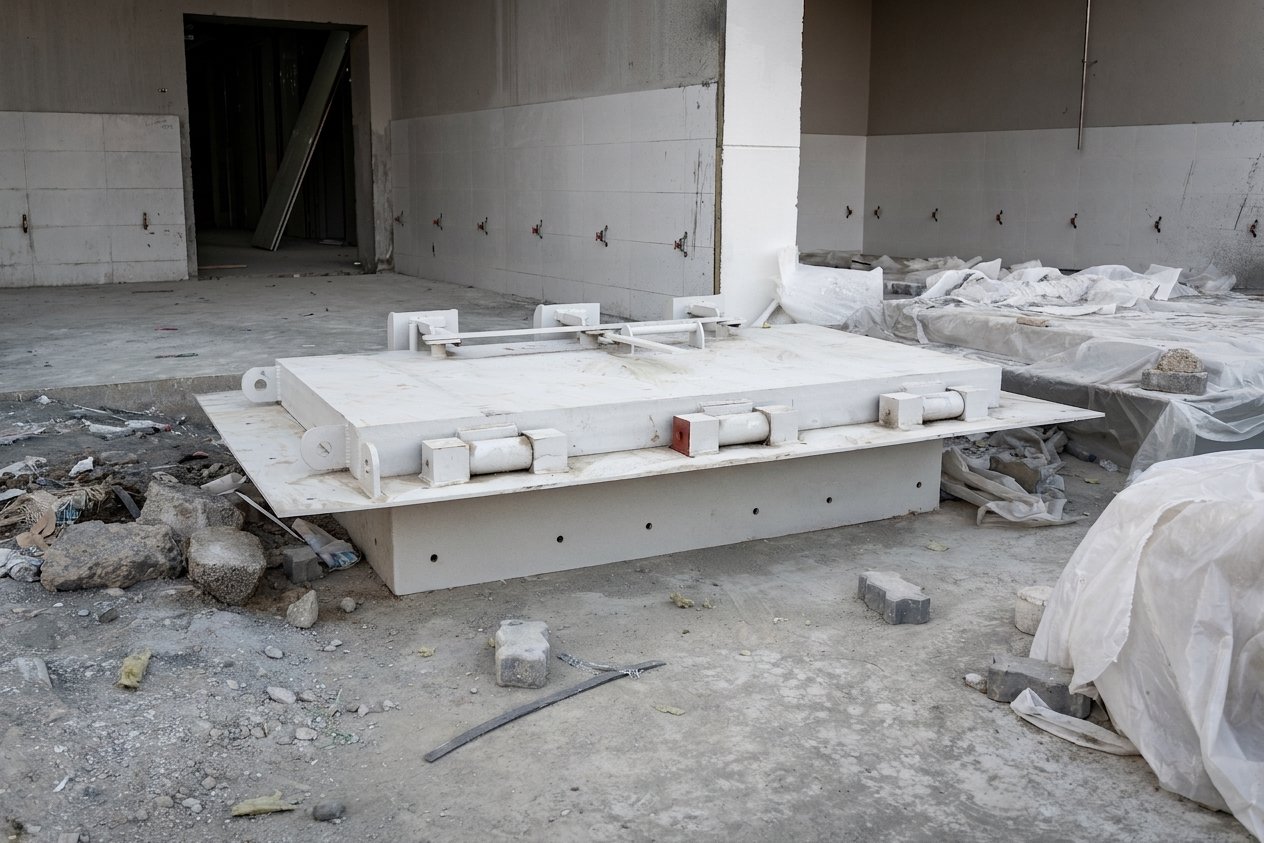
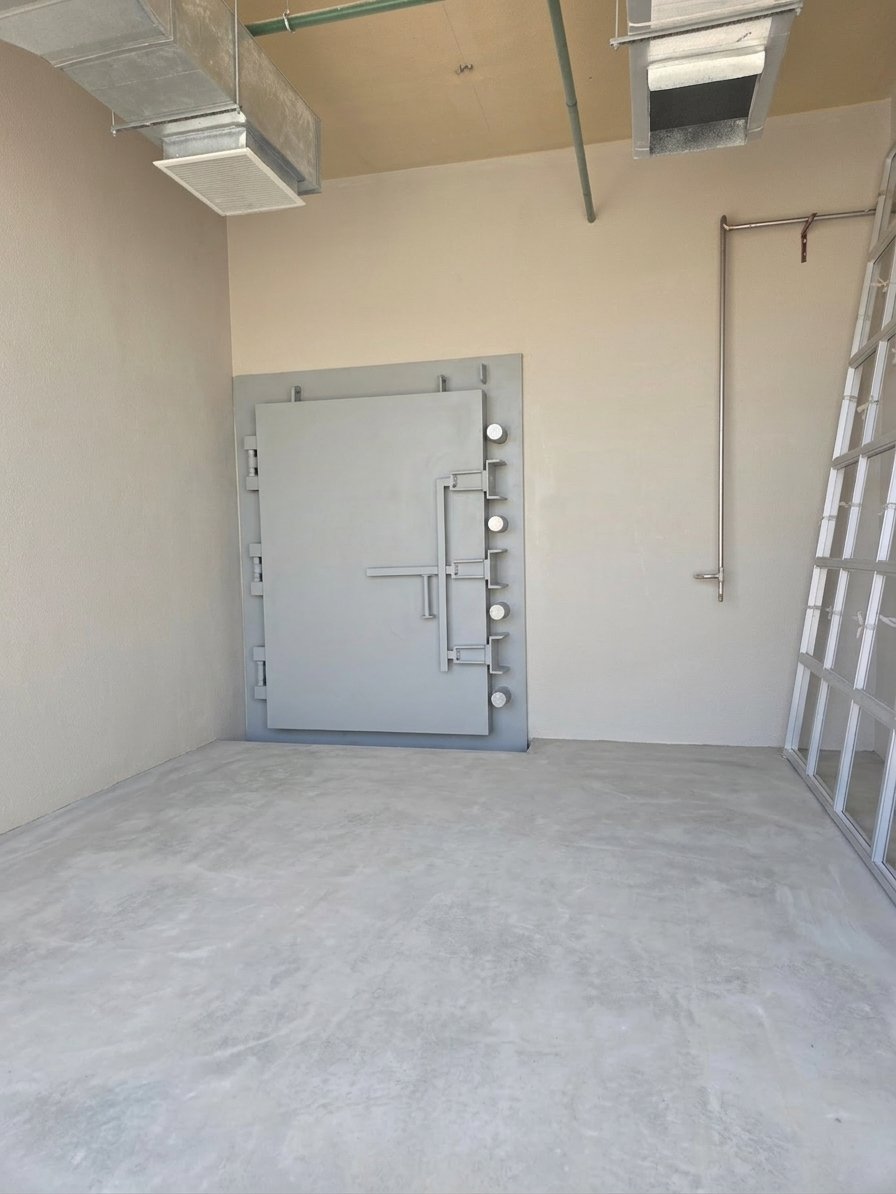
SEED Defence and SEED Design Division design and fabricate blast-resistant doors in-house, from the engineering model to the fabricated assembly set into the opening. Hardened openings for facilities that have to keep working when something goes wrong.

From the drawing board to the opening, engineered and fabricated under one roof.
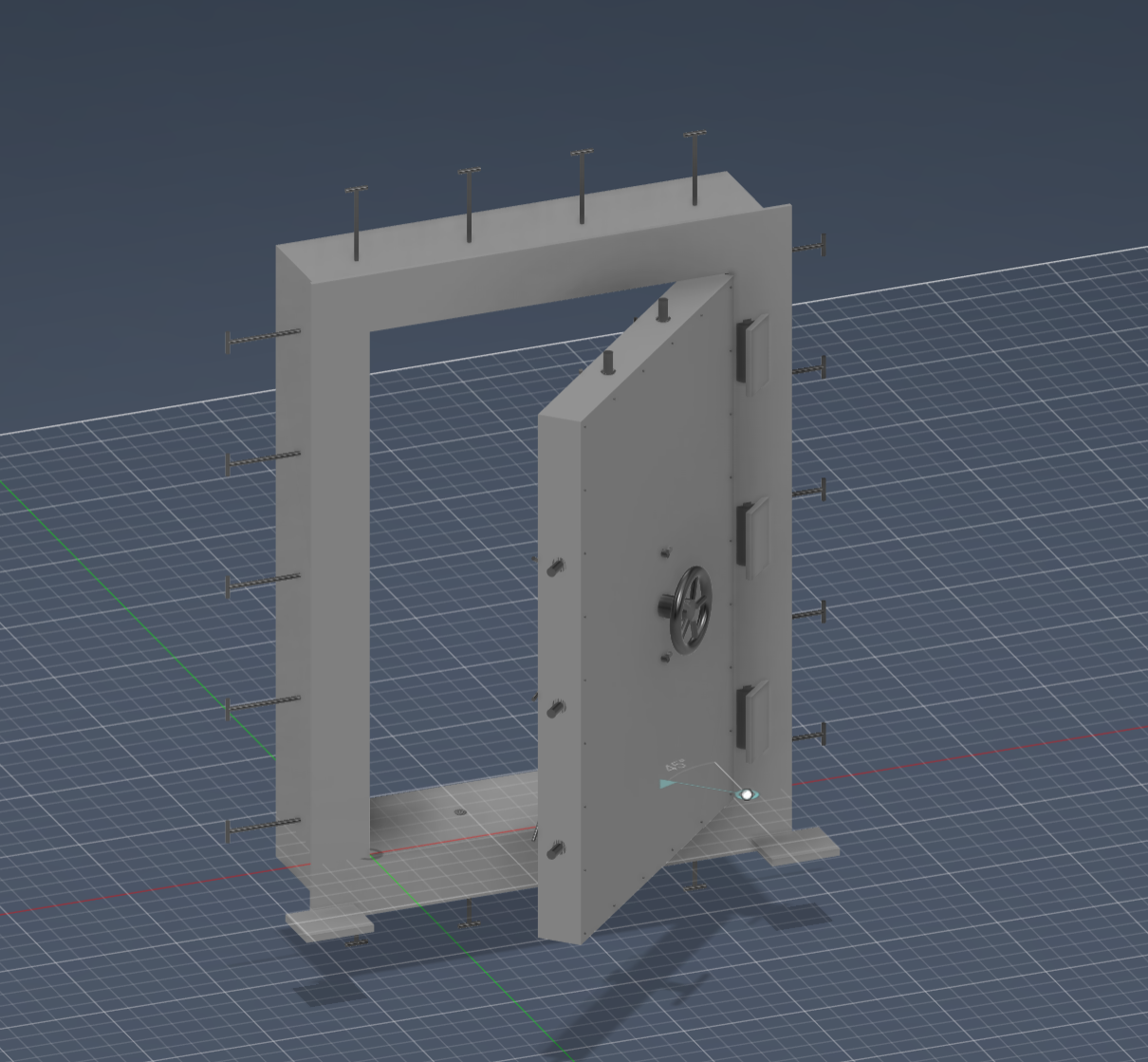
Blast-resistant door and frame, engineering model
Engineered in-house: the door and frame, modelled
Fabricated blast-resistant door assembly, primed
Fabricated in-house: the assembly, primed
Blast-resistant door installed and finished in its opening
Installed and finished on site
DESIGNED IN-HOUSEFABRICATED IN-HOUSEBLAST-RESISTANT

A SEED Defence and SEED Design Division capability.

Graduated from the lab

Products that became businesses.

SEED Chemicals, construction-chemicals factory

In-house formulation work, cementitious grouts, dry mixes, and waterproofing systems, is now a manufacturing business with its own factory, the Crystal Putty range, and application teams across three cities. SEED Chemicals

Semi-automated CLC plant, Pakistan's first

The mix designs the lab developed run on Cellular Lightweight Concrete production that was engineered, built, and commissioned in-house in 2022 rather than imported, and now anchors SEED Materials. The CLC plant

Pipeline
Further product programmes are under evaluation across construction materials and prefabricated structures.SEED Labs pipeline

Contact

Have a technology Pakistan should build, not buy?

Start a conversation