2022
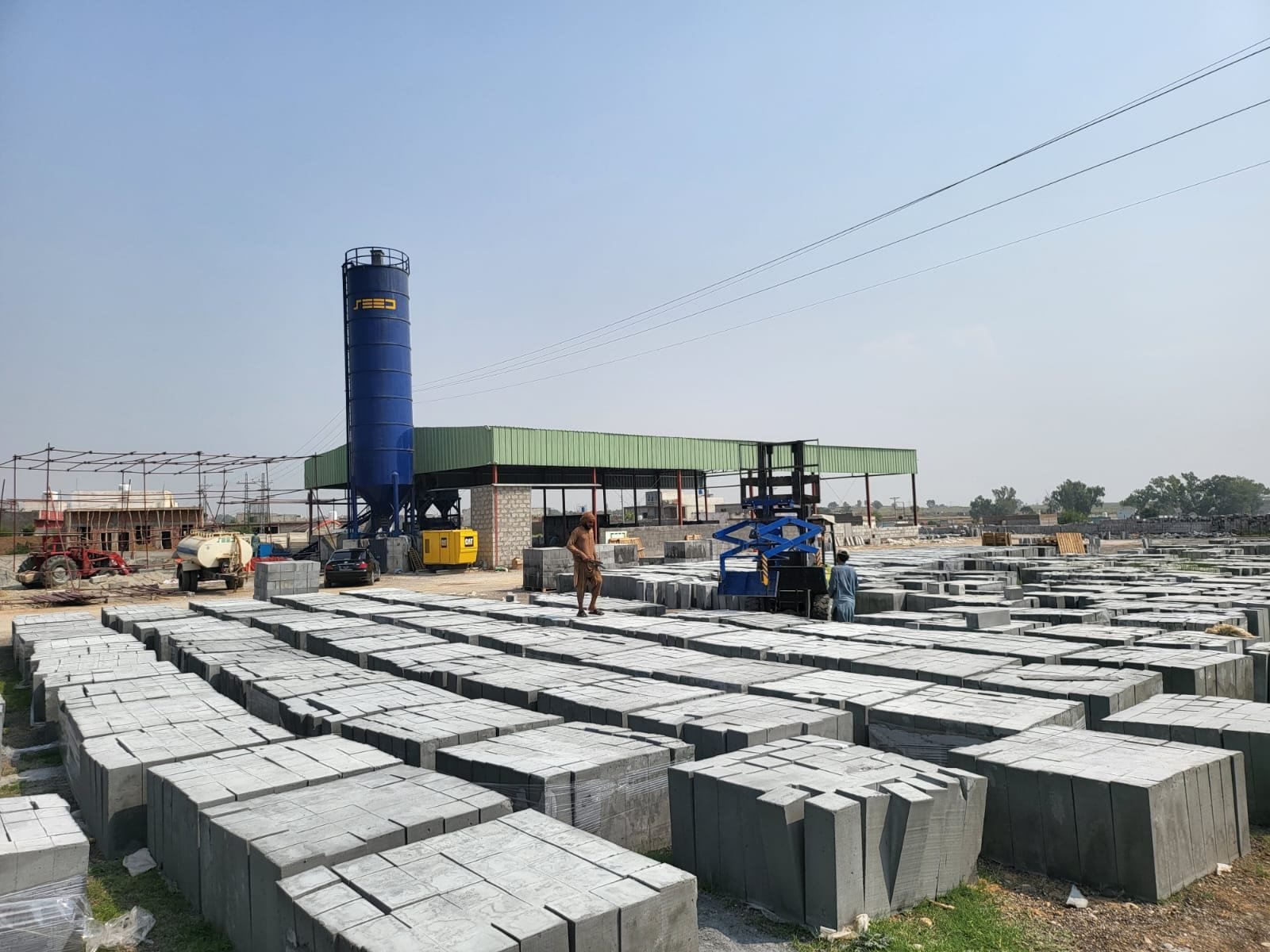
Pakistan's first semi-automated CLC line, commissioned in-house

SEED's sustainability case is structural, not cosmetic: resource-efficient methods, materials engineered to endure, and facilities that serve for decades. Sustainability measured in service life.
The most resource-efficient building is the one that does not need rebuilding. Every discipline in the group works toward that same outcome — lighter materials that carry more, chemistry that protects what is built, waste converted where it is produced, and design authority that puts material only where the loads are.
Resource-efficient methods and materials engineered to endure — that is the group's mission, not a campaign.
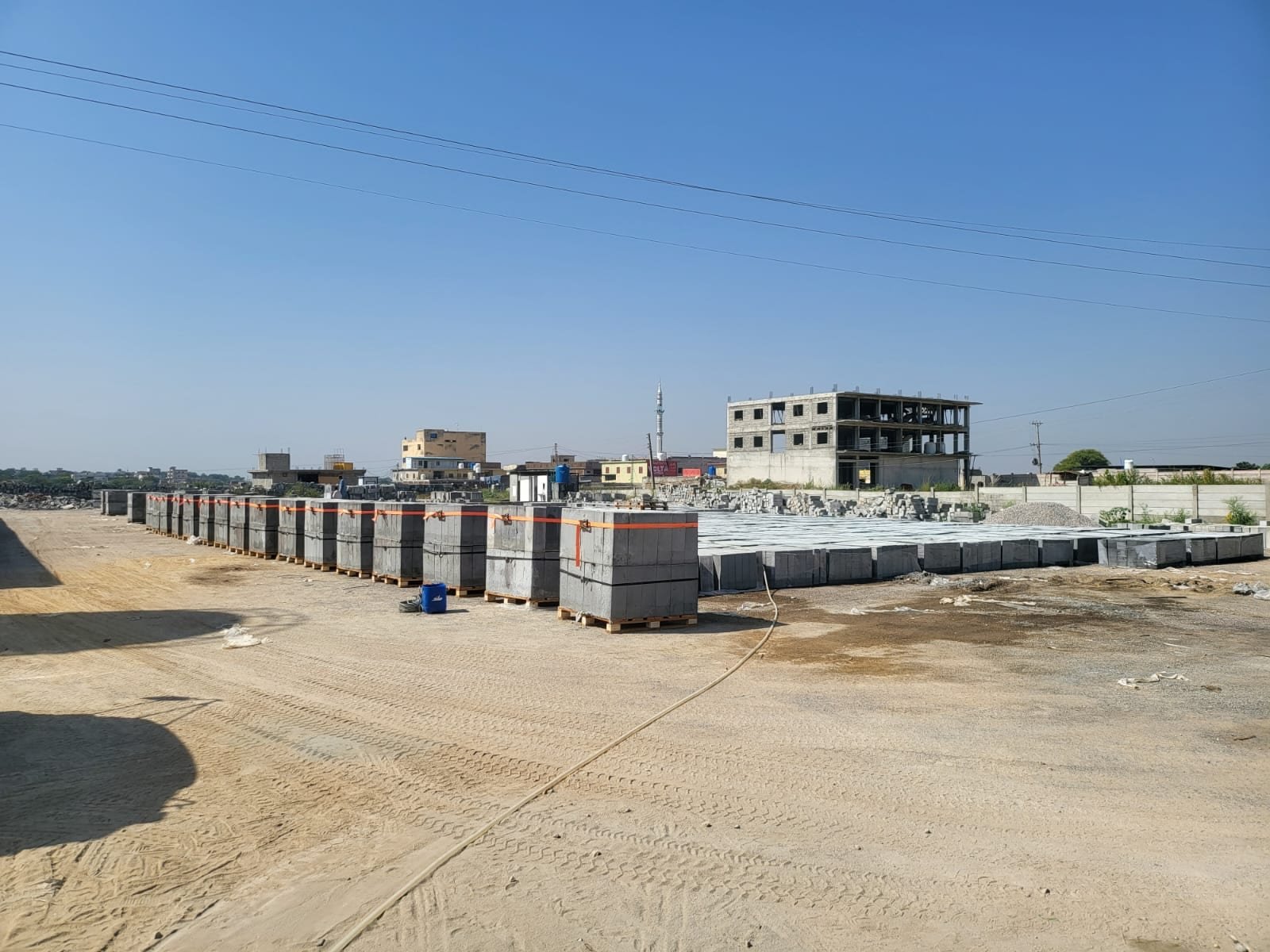
Cellular Lightweight Concrete cuts the dead load of walling, insulation, and floor slabs — so the structure beneath carries less and uses less. Material-efficient systems are the group's default, not the exception.
CLC's cellular structure insulates the envelope it builds, reducing the heating and cooling load a building carries for its whole service life — efficiency designed in at the material, not bolted on after.
SEED installed and commissioned an OMPECO (Italy) integrated waste converter at AFIC, Rawalpindi in 2018 — campus waste processed at source on a working hospital estate.
Waterproofing systems and protective chemicals manufactured by SEED extend the service life of built assets. Durability is the most honest form of sustainability an EPC group can offer.
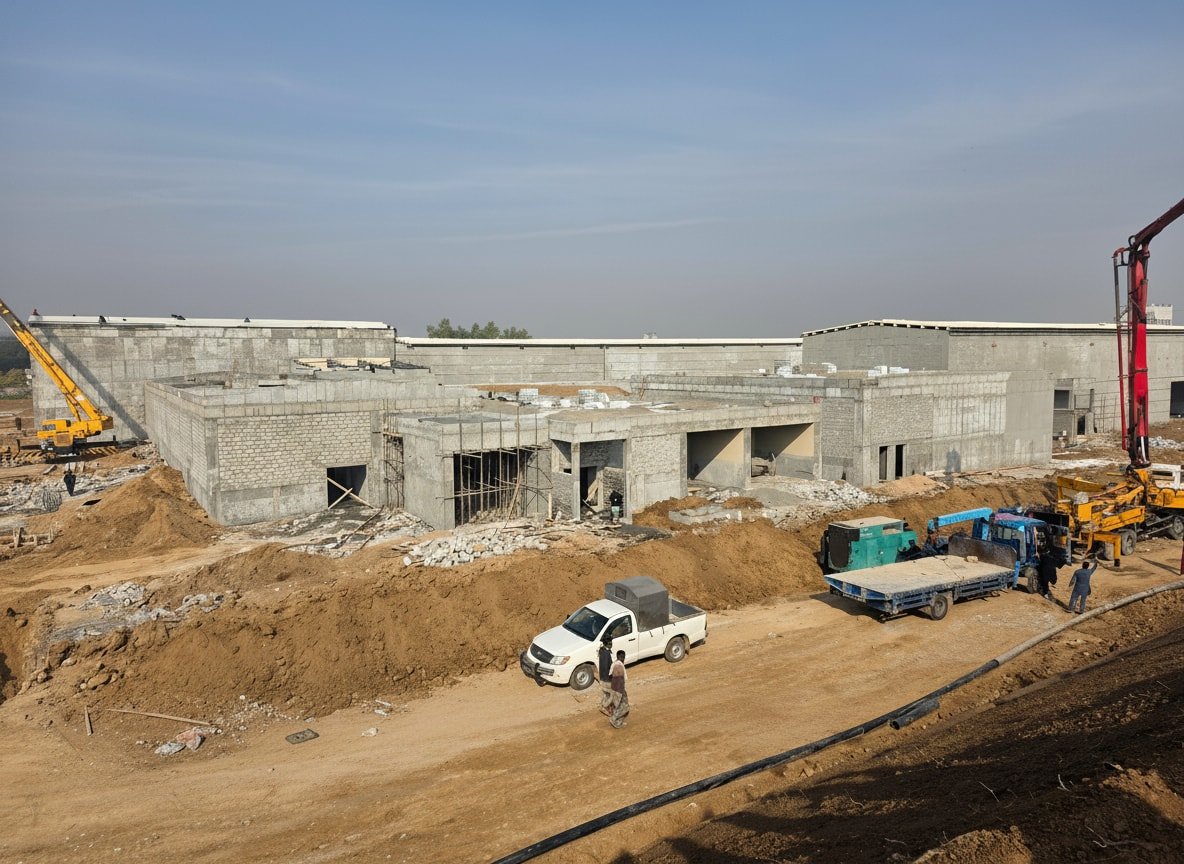
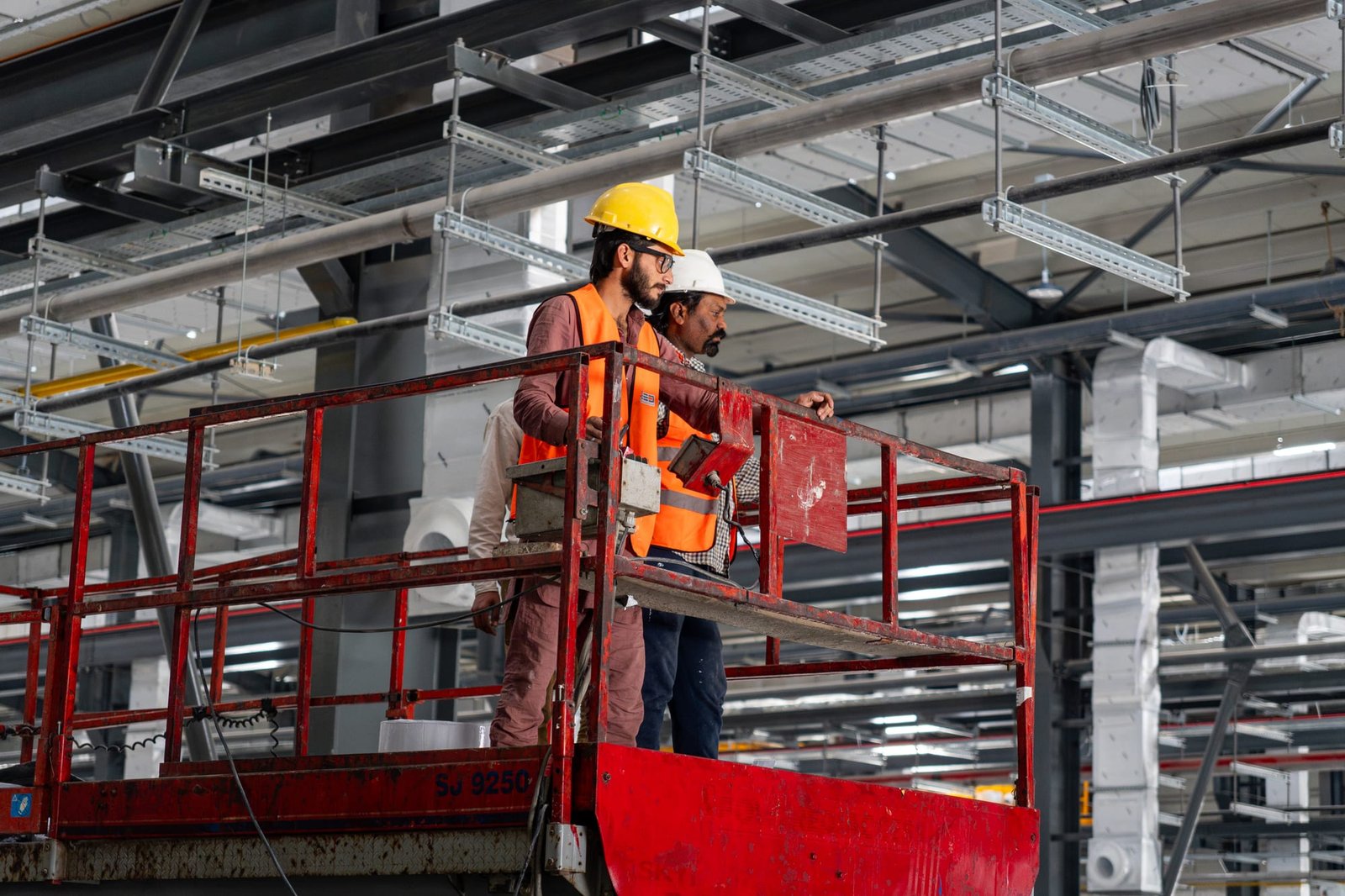
Every active SEED site carries dedicated HSE engineering — the same discipline that defence-production estates demand, applied to every sector the group works in.
The group employs approximately 140 people across Islamabad, Lahore, Karachi, and active project sites, and gives young engineers real site and design responsibility from their first project.
Where SEED manufactures — chemicals, concrete products — it builds local capability for goods Pakistan would otherwise import, with supply chains anchored in the communities the plants stand in.